 Quick Links
 Connect us



 Directors Databank (Empannel Yourself)
 Become a
 Become a
 Blog
 Become an Awards Assessor
 Publications
 Contact Us






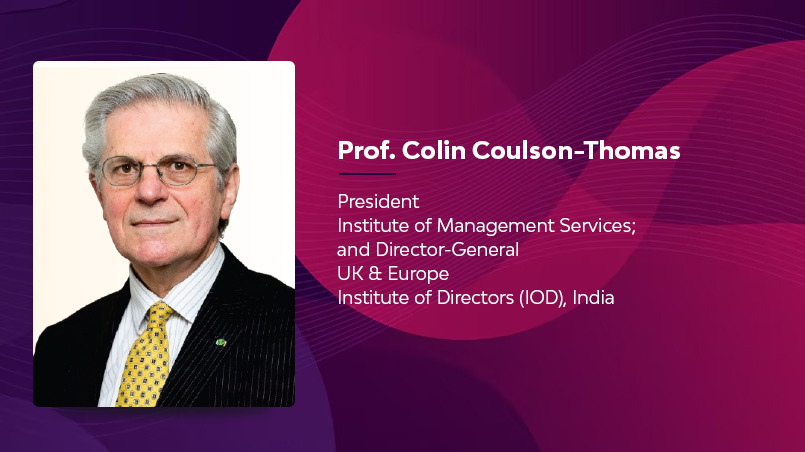
Independent Directors (IDs) should complement executive colleagues who wrestle with day-to-day issues that burn up time needed for the independent thought expected of company directors. IDs and executive directors should understand each other's roles and how their respective contributions can be complementary.
Read more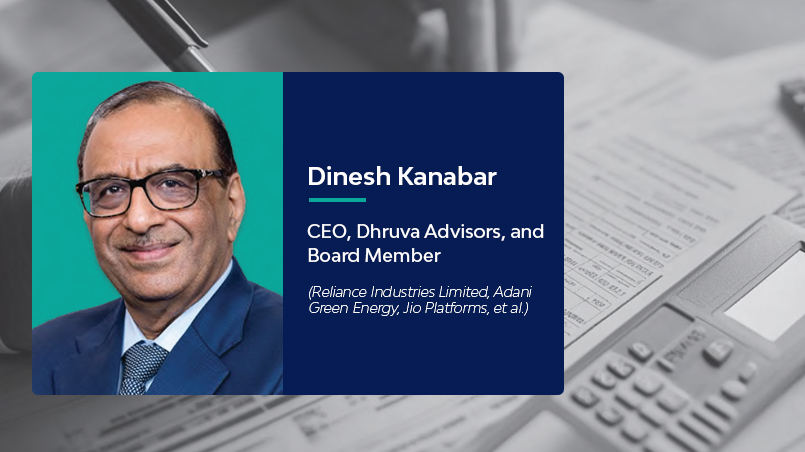
Boards rarely destroy value because a director did not know a section of tax law. They destroy value when obvious questions are not asked early enough, or answers are accepted because the organisation has fallen in love with a transaction. This is not confined to weak boards; it is the natural risk of enthusiastic ones.
Read more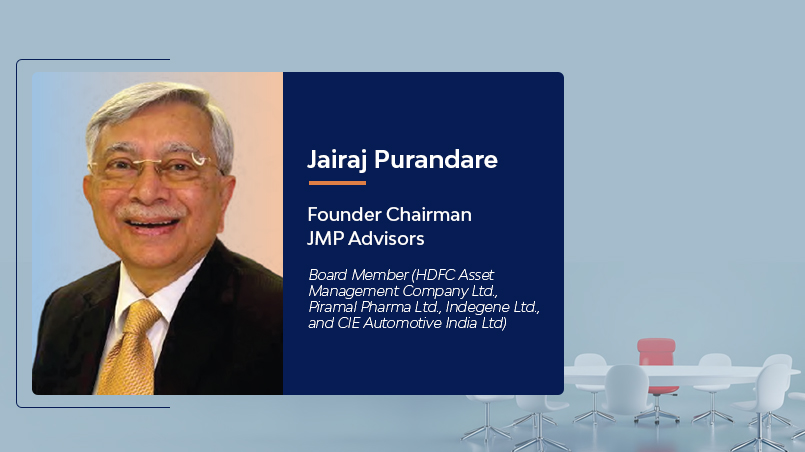
The role of an Independent Director has never been more vital than in today's increasingly complex corporate landscape. Currently, businesses are navigating geopolitical uncertainty, rapid technological disruption, diverse regulatory expectations, mounting stakeholder demands, financial pressures and growing scrutiny of corporate governance.
Read more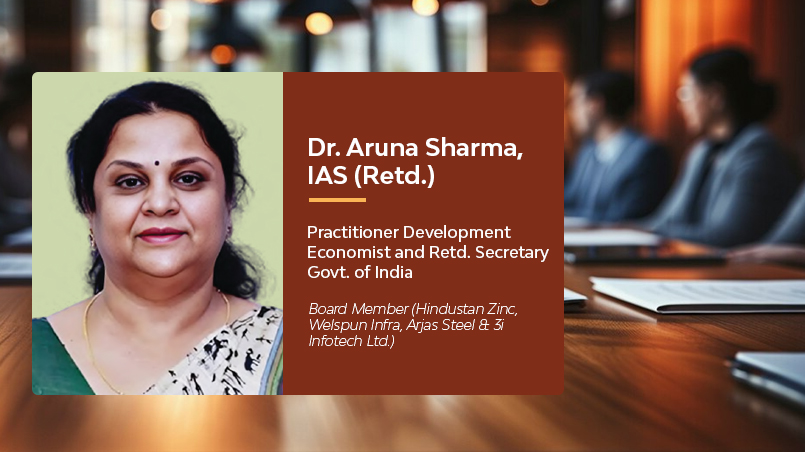
Public service brings in a lot of experience across different sectors, and in some sectors one does develop deeper insights. Thus, when one joins the boardroom, one can bring in that experience, but it is equally important to keep oneself updated in the sector in which one has accepted the board position.
Read more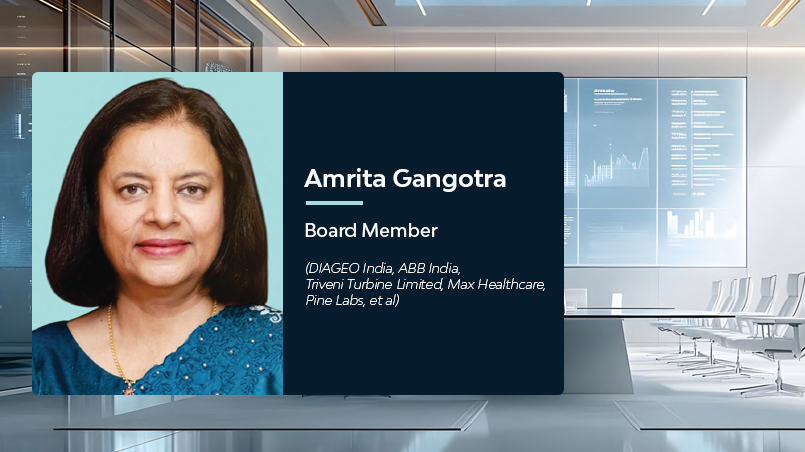
My answer has changed over the years. Earlier, I would have said that deep functional expertise especially in functions like Finance, HR and Business Operations, leadership experience and a good reputation were the foundation. I still believe they are essential
Read more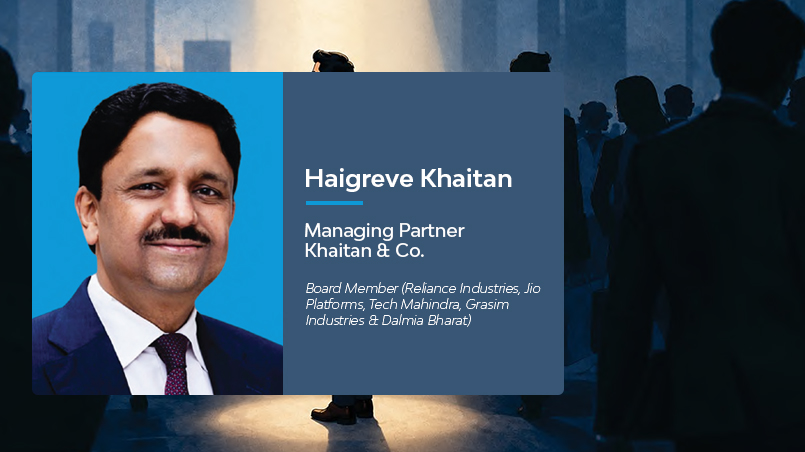
An experienced lawyer can make for a remarkably astute independent director. However, the journey from counsel to an effective member of any company's board is a significant one. Every lawyer who traverses this distance notices the difference right away - when a proposal is discussed, the board is not looking to them for legal inputs alone. It expects a director's judgement and, eventually, a vote.
Read more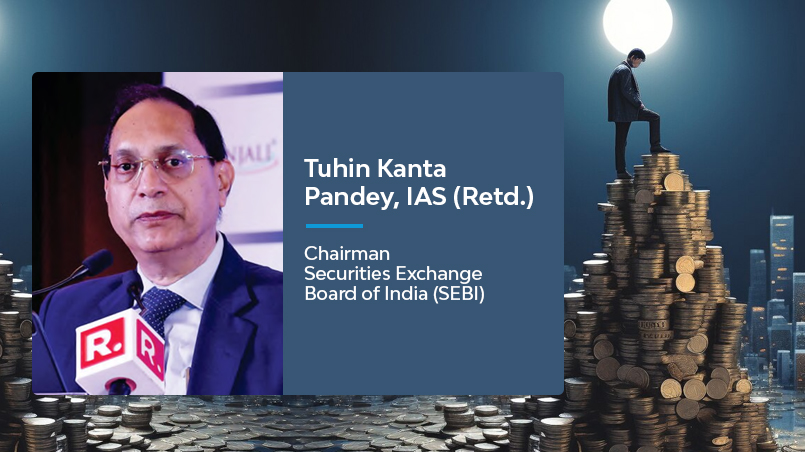
Good morning to all of you. It is a pleasure to be here at a forum that places the quality of governance at the centre of its work. The Institute of Directors has an important role in keeping this conversation alive not merely, by discussing governance principles, but by encouraging informed, questioning and forward-looking dialogue in the boardroom.
Read more
But the real test lies in today's environment; how we anticipate, how we listen, how we react to them, how we prevent them. Further, are we creating value for the organisation and the country in general? And, more importantly, are we able to keep pace with the changes?
Read more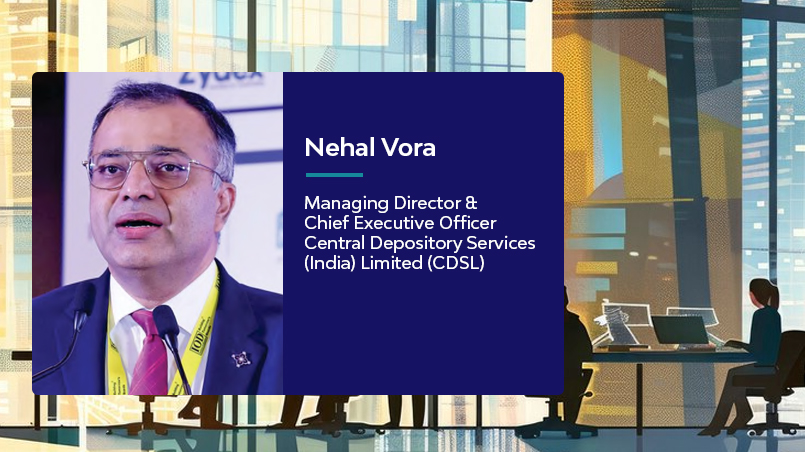
What the book essentially talks about is how the human brain works. There are two parts of the brain. There is the front or the sides, and then there is the brain which is behind. Generally, when there are intuitive, fast decisions to be made, we tend to do them from the front part of the brain.
Read more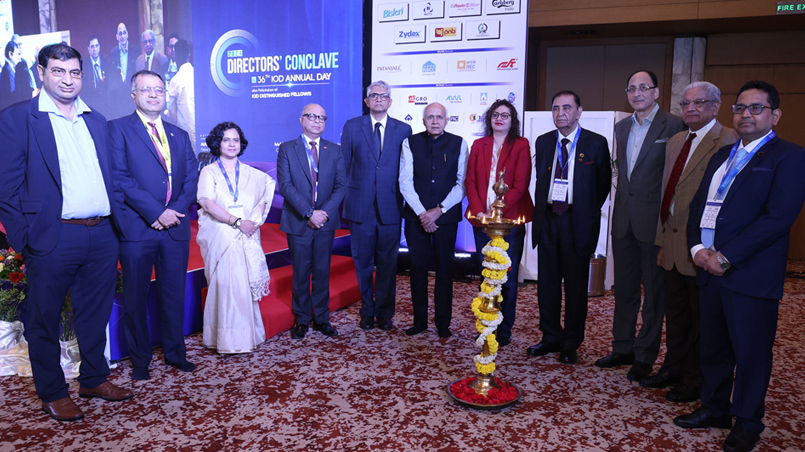
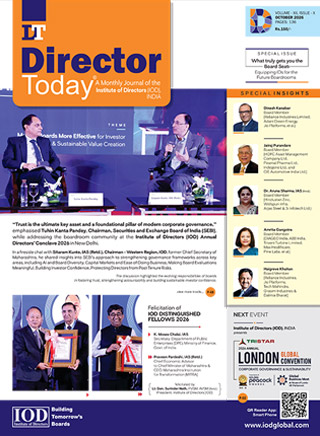
Across several plenary sessions, the deliberations moved fluently from capital markets and ESG to AI governance, gender diversity, and regulatory intensification punctuated by two MoU signings, A Handbook release, and a joint research report inauguration. The theme of the Conclave, 'Making Boards More Effective for Investor Confidence & Sustainable Value Creation' was discussed in details.
Read moreAbout Us
Institute of Directors (IOD) is an apex national association of Corporate Directors under the India's 'Societies Registration Act XXI of 1860'. Currently it is associated with over 30,000 senior executives from Govt, PSU and Private organizations of India and abroad.
Categories